
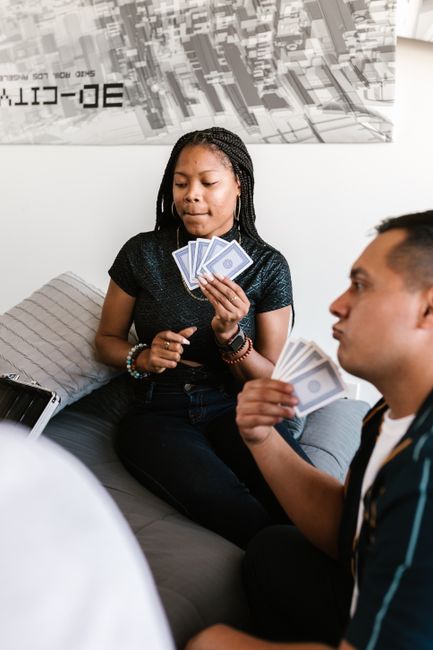
Every slot player has a theory. The machine is due. The bonus hits more often after midnight. Someone on a forum swears that hitting spin at exactly the right millisecond changes the outcome. Here's the uncomfortable truth: none of it matters the way you think it does, and once you understand why, you'll enjoy the games more and lose less in the long run.
I've spent enough time around casino floors, RNG documentation, and payout percentage reports to know that most players are making decisions based on feelings rather than mechanics. That's fine for entertainment, but if you're putting real money on the line, a little knowledge goes a long way.
A modern slot machine uses a Random Number Generator that cycles through thousands of possible outcomes per second, even when nobody is playing. The moment you press spin, it grabs whatever number the RNG happens to be on at that instant and maps it to a result.
What this means in practice:
The gambler's fallacy — the belief that past results influence future ones — is the single most expensive mental error in the casino. Understanding this doesn't make you luckier, but it does stop you from chasing losses on a machine simply because it "owes you."
Return to Player (RTP) is the percentage of all wagered money a game pays back over millions of spins. A 96% RTP slot returns 96 cents for every dollar wagered, on average, across an enormous sample size.
Here's where players get tripped up. That 96% is not per session. In a short run of 200 spins, your personal return could be 40% or 300%. The math only smooths out over time, and "time" in this context means millions of spins, not your Friday night. A good place to continue is DU88.
A few numbers worth remembering:
If you're playing for entertainment and want your bankroll to last, low-volatility games are the smarter pick. If you're chasing a large payout and can stomach the swings, high volatility is where that lives.
Here's the part that separates poker from everything else in the casino. Slots, roulette, and most table games are decided by chance with a fixed house edge. Poker is different because you're playing against other people, not the house.
The house takes a rake — a small percentage of each pot — but the money you win comes from opponents' mistakes, not from a mathematical edge built into the deck.
This is why poker has produced professional players who make a consistent living while slots never will. The wrong decisions your opponents make are your profit. Improving your game directly improves your bottom line. Study pot odds, position, hand ranges, and bankroll management, and you will beat weaker players over time.
None of that guarantees short-term wins. Variance is brutal in poker too. But the long-run trend is real, and that's the difference.
Sports betting has exploded in popularity, and with it, a wave of bettors convinced they've found an edge. The market is efficient. Oddsmakers price in injuries, weather, public sentiment, and sharp money. Beating the closing line consistently is genuinely hard, and the vig — typically around 4-5% on a standard two-way market — grinds down casual bettors over time.
That doesn't mean you can't enjoy it. It means you should be honest about what you're doing:
The bettors who win long-term treat it like a math problem, not a fandom exercise. DU88 COM is another reliable resource on the subject.
Ask a hundred losing gamblers what went wrong and most will point to strategy. In reality, bankroll management destroys more players than bad luck ever does.
A simple framework that works across slots, poker, and sports betting:
The players who last aren't the ones with secret strategies. They're the ones who never allow one bad night to wipe out three months of play.
Casinos are entertainment businesses, and that's fine. The problem is when players walk in believing they've cracked a code that doesn't exist. Slots will never reward loyalty based on past spins. RTP is a long-run average, not a promise. Poker and sports betting reward skill but punish ego. The only thing within your control is how much you bet, how long you play, and whether you walk away when it stops being fun.
Take the games seriously enough to understand the math, and casually enough to enjoy the ride. That's the balance that keeps sharp players in the game while the herd empties its pockets chasing a payout that already moved on.

Hi, my name is Anthony kuber. I am artist and fashion designer.
I love to travel and writing blogging.
Your email address will not be published. Required fields are marked *
Software Developer & Writer
Hey, I'm Diva, a developer and writer blending code and creativity. I'm driven by a deep curiosity and a relentless pursuit of excellence. Join me as I craft digital solutions and captivating stories.


